




Travertine vs. Marble: Selecting the Right Persian Natural Stone for Australian Climates
Choosing between travertine and marble for a high-end development in Australia is more than an aesthetic decision; it is a matter of architectural responsibility. While both materials originate from the mineral-rich regions of Iran, their geological formations dictate their performance in the face of Australia’s harsh UV levels, coastal salt air, and temperature fluctuations.
The Geological Divide
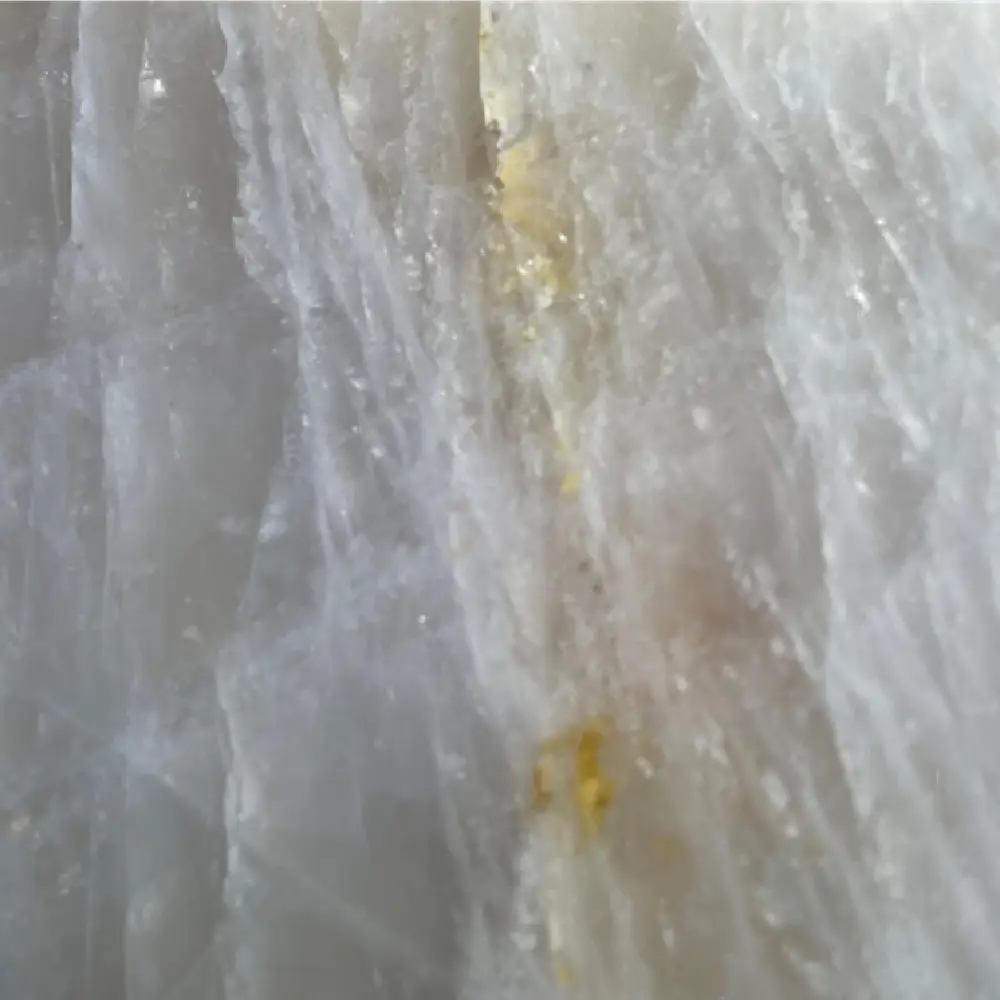
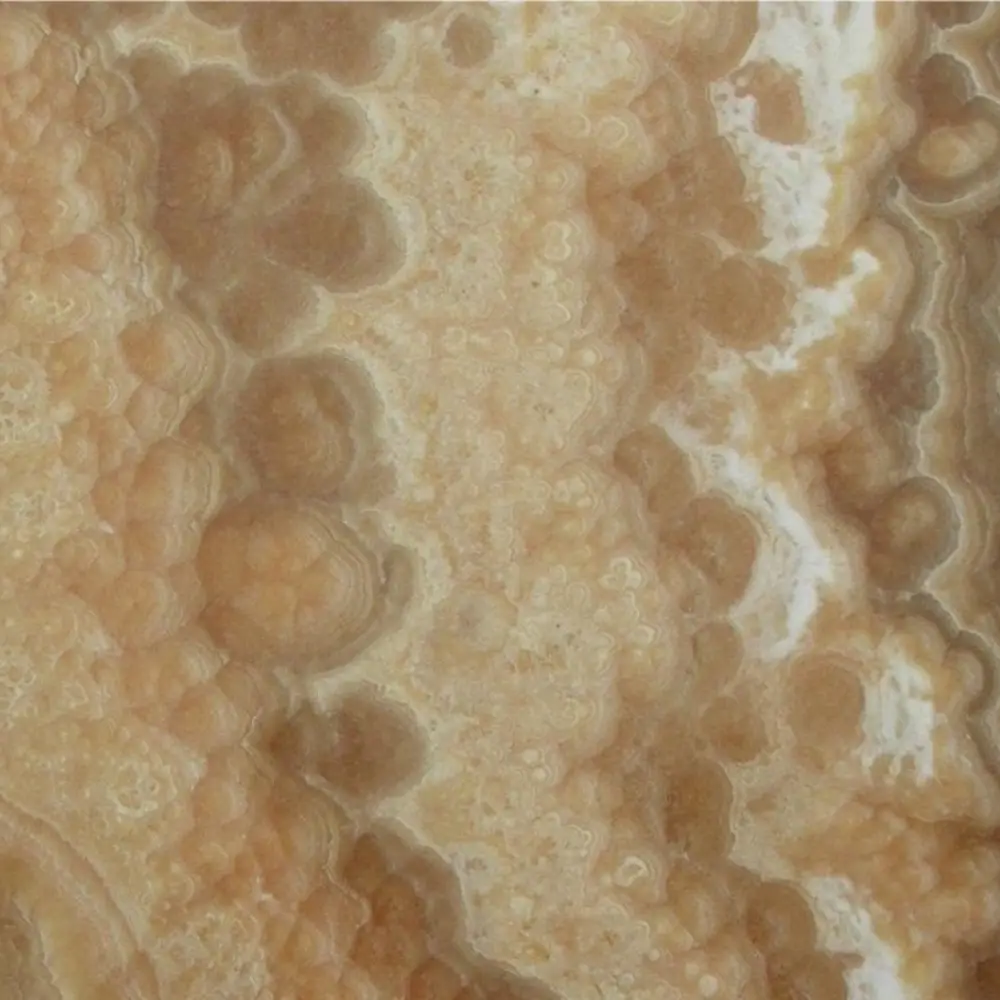
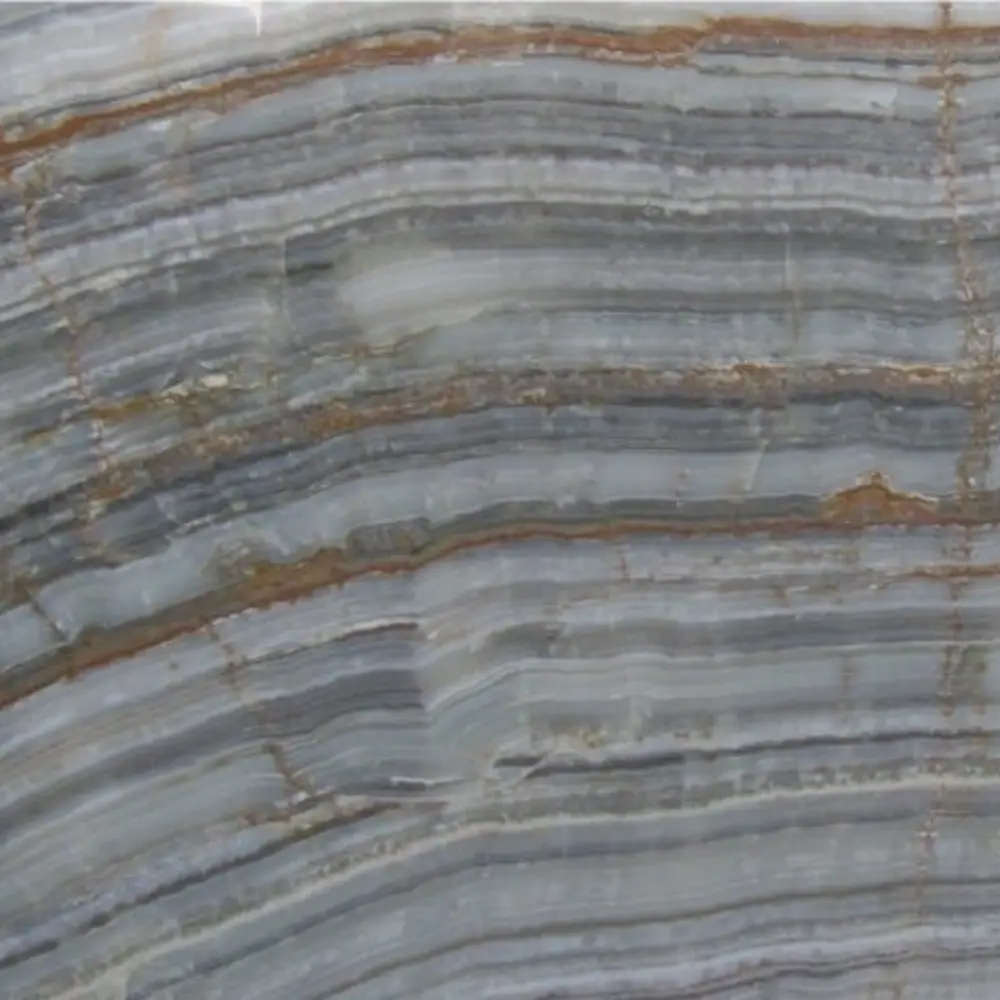
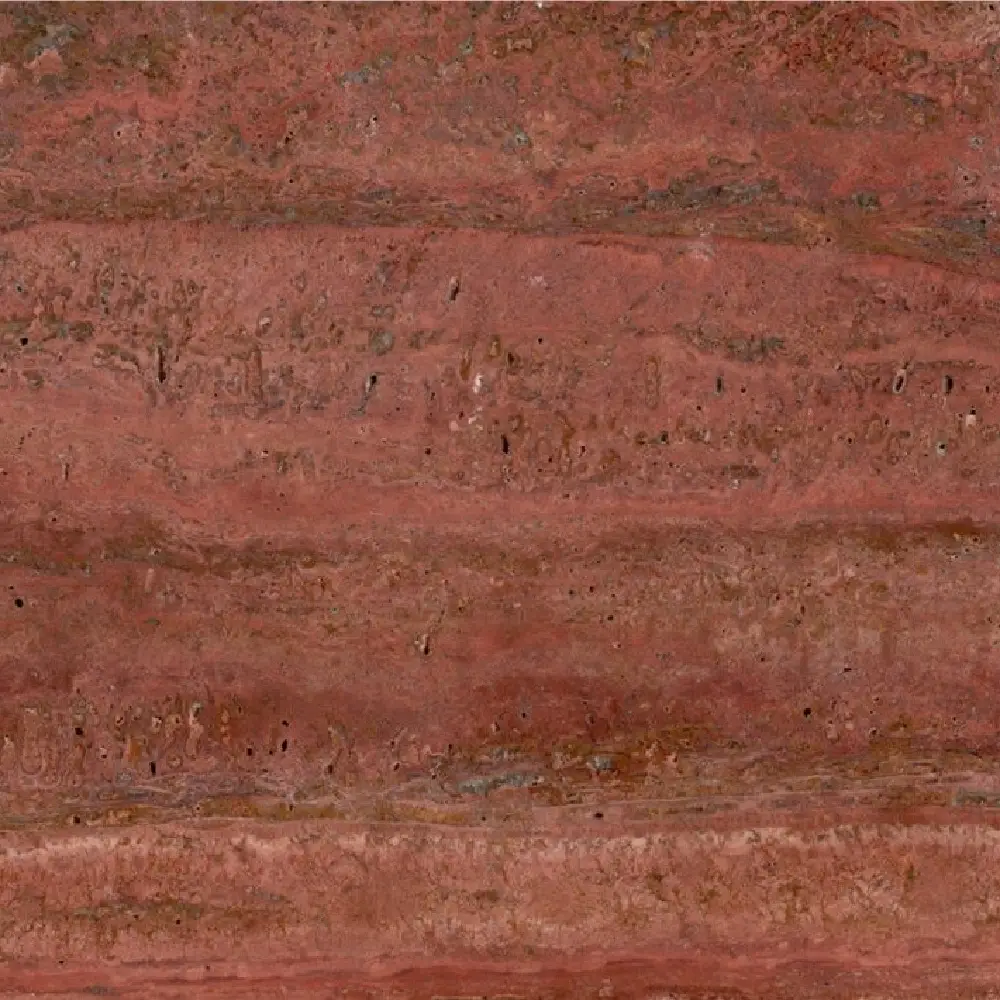
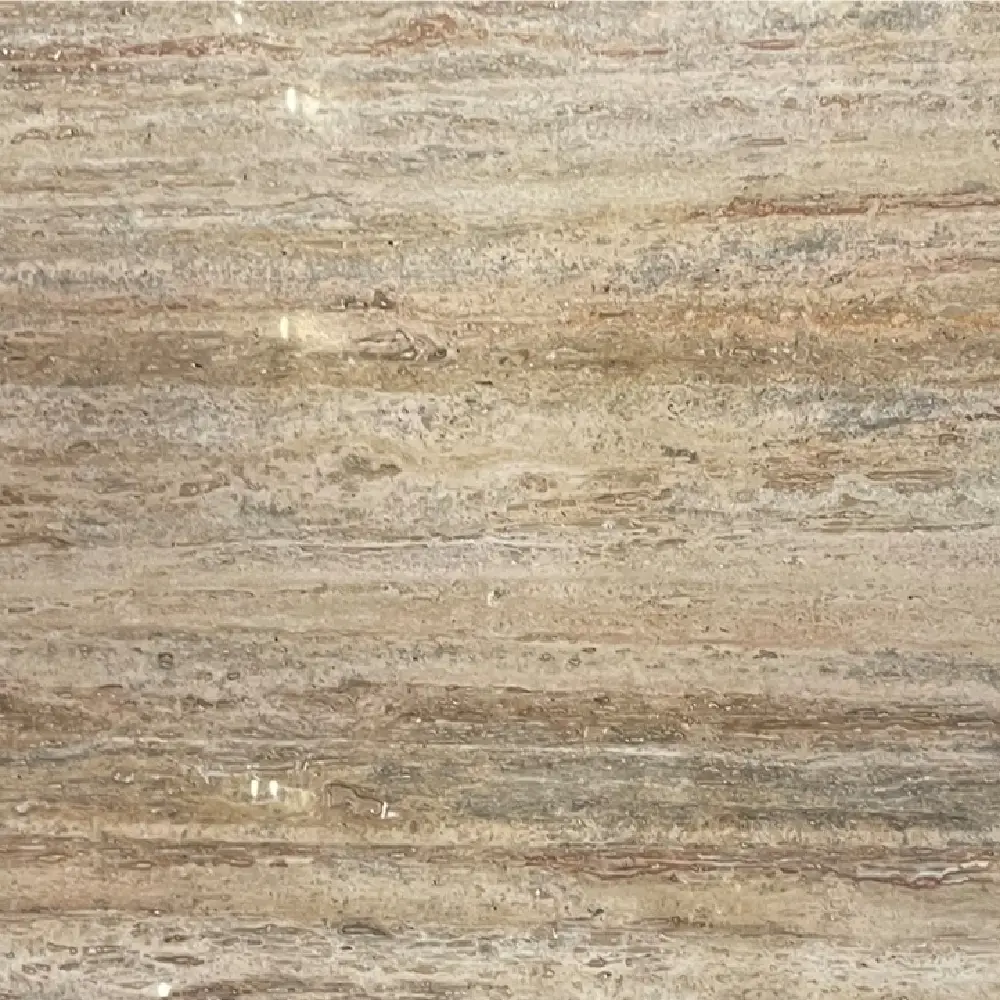
To choose correctly, one must understand the structural behavior of these materials. Persian Travertine is a sedimentary limestone formed from mineral-rich water deposits, characterized by its natural pores and linear textures. In contrast, Persian Marble is a metamorphic limestone that has undergone recrystallization under intense heat and pressure, resulting in a much denser, fine-grained structure.
Travertine: The Exterior Specialist for Australia
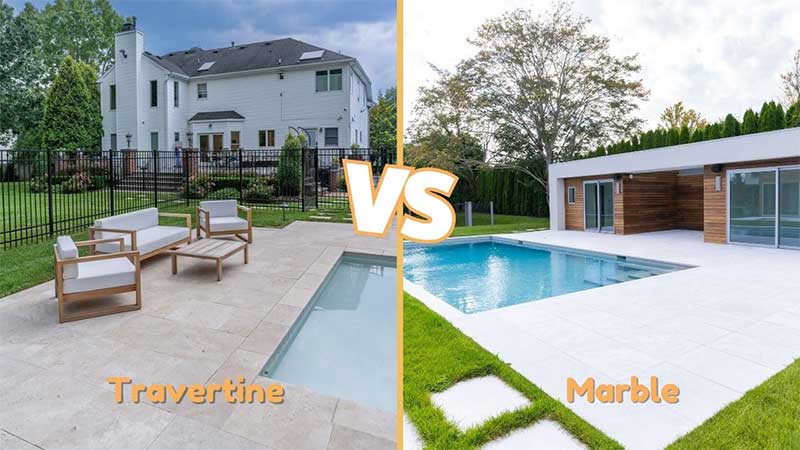
For Australian outdoor applications—from the coastal facades of Sydney to the poolside terraces of Queensland—travertine is often the superior choice.
- Thermal Performance: Travertine remains remarkably cool underfoot, even in high-heat environments, making it ideal for pool surrounds and landscaping.
- Durability and Texture: With a compressive strength of $90$–$150\text{ MPa}$, it is a structural workhorse. Its natural pores can be left “unfilled” for a rustic, high-grip texture or “filled” for a smoother architectural finish.
- Climate Resilience: Travertine performs exceptionally well in large-scale exterior facades, handling the expansion and contraction caused by temperature shifts without losing its integrity.
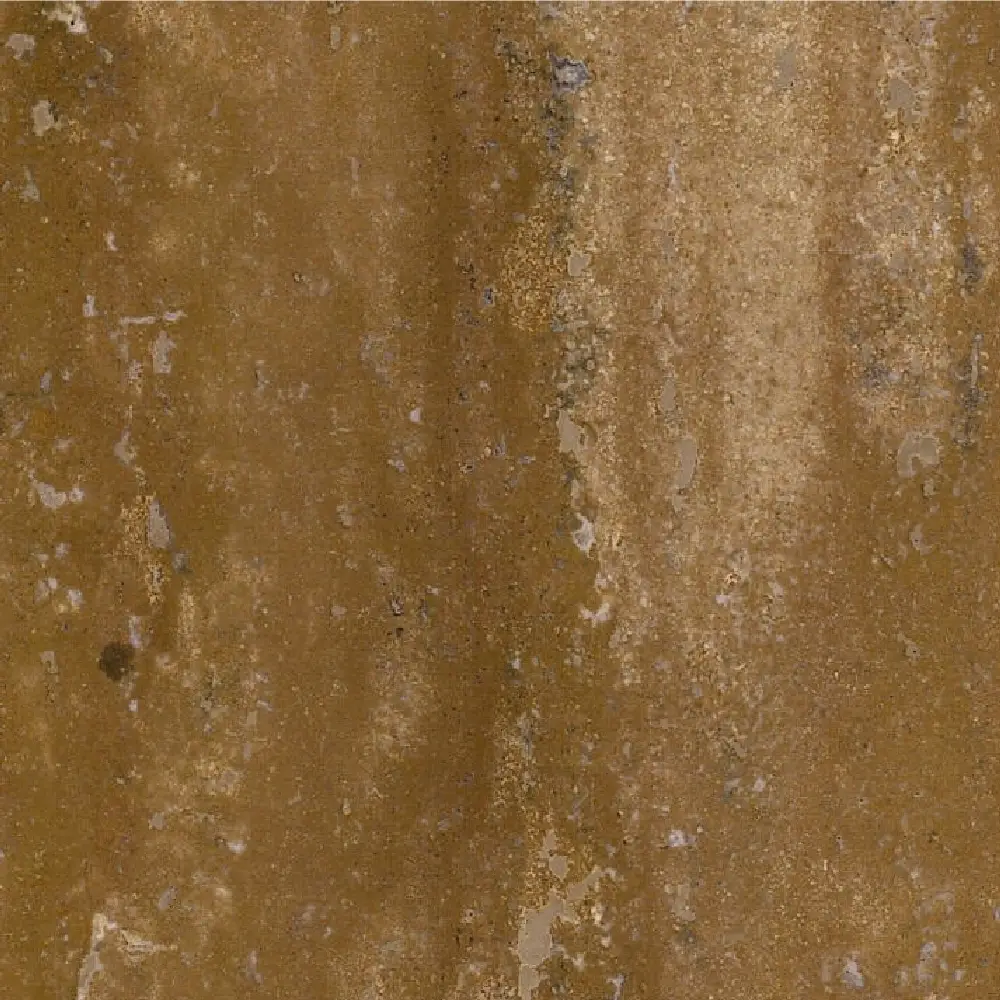
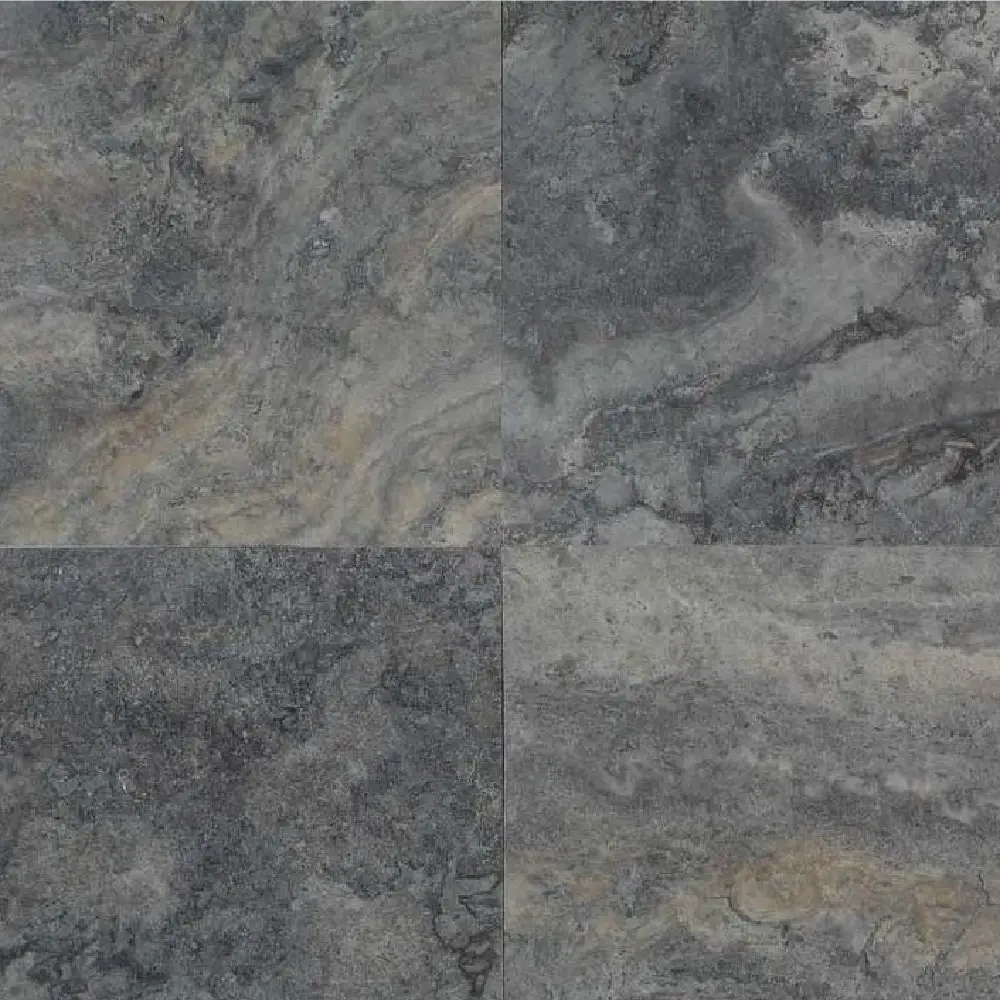
Commonly specified varieties include Light Travertine from the Mahallat region for modern facades and Silver Travertine for contemporary minimalist designs.
Marble: The Interior Luxury Benchmark
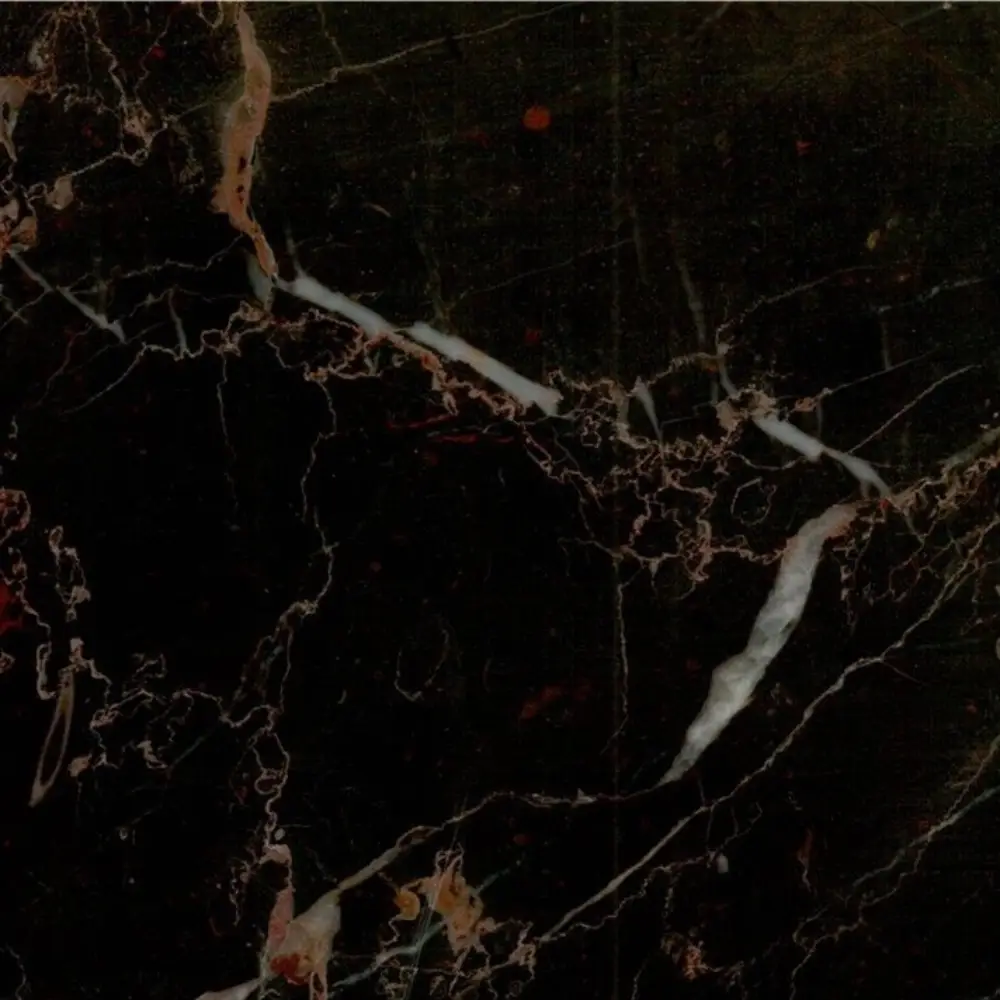
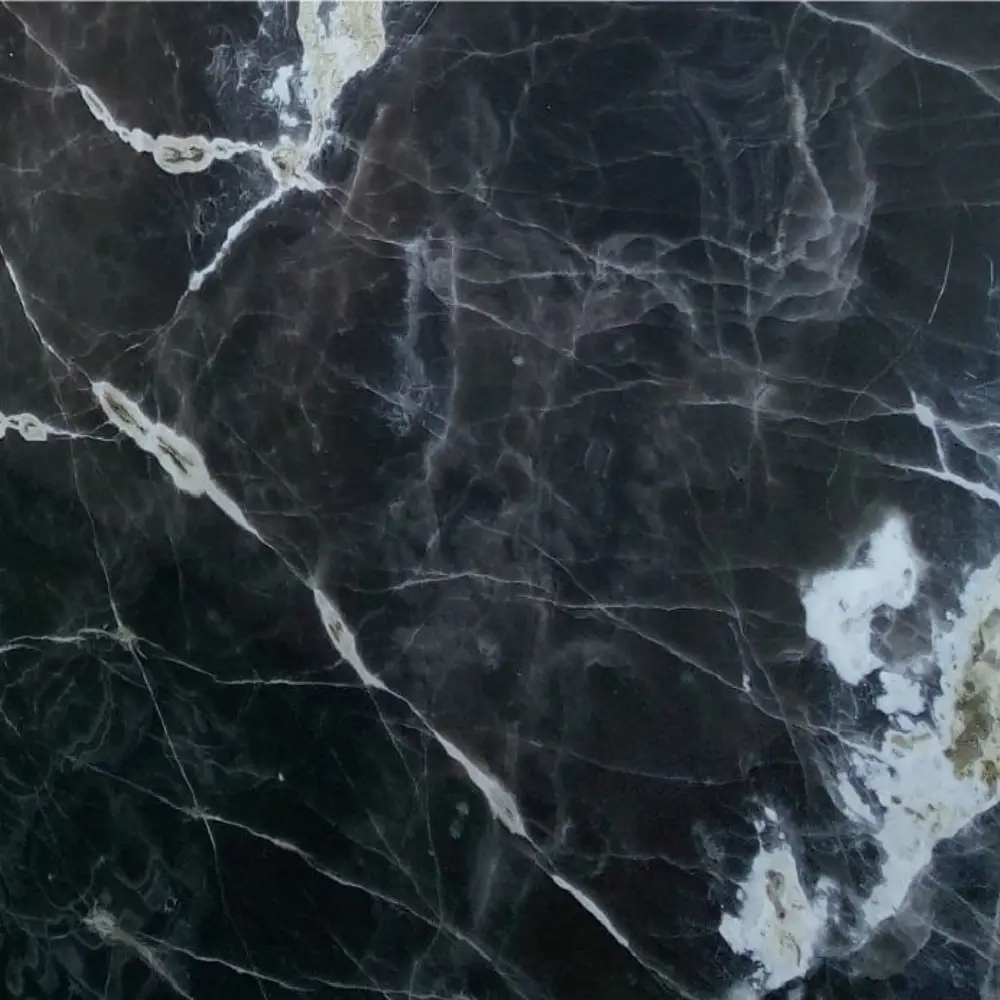
While travertine conquers the outdoors, Persian marble is the undisputed king of luxury interiors. Its density ($2.6$–$2.8\text{ g/cm}^3$) and low water absorption ($0.2\%$–$0.6\%$) make it a premium choice for high-moisture interior zones.
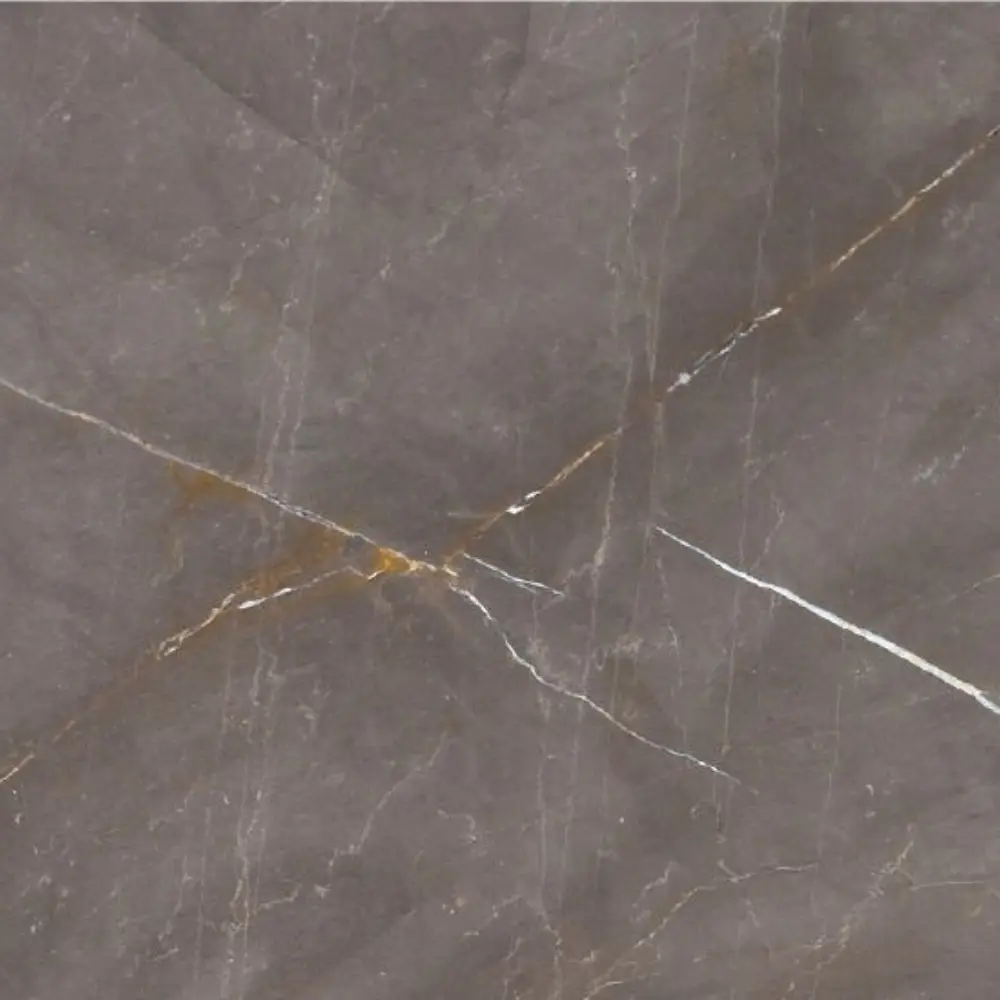
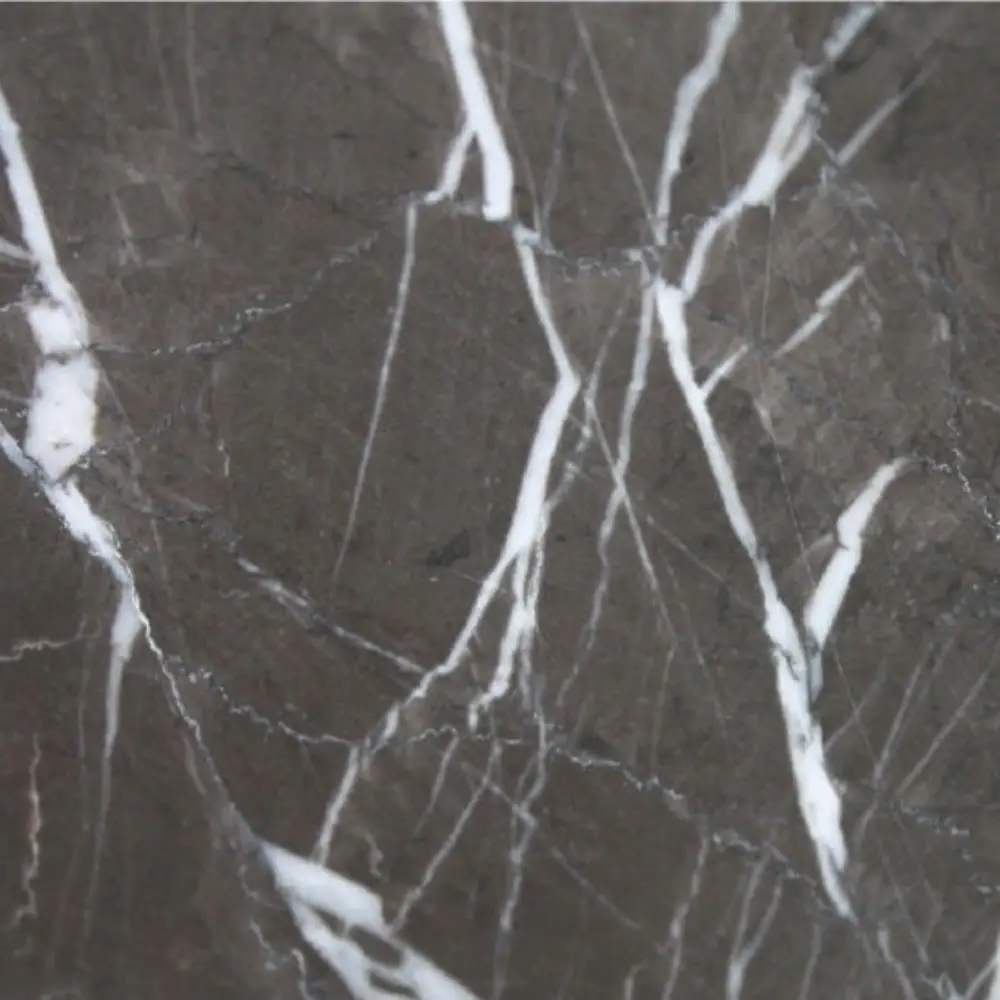
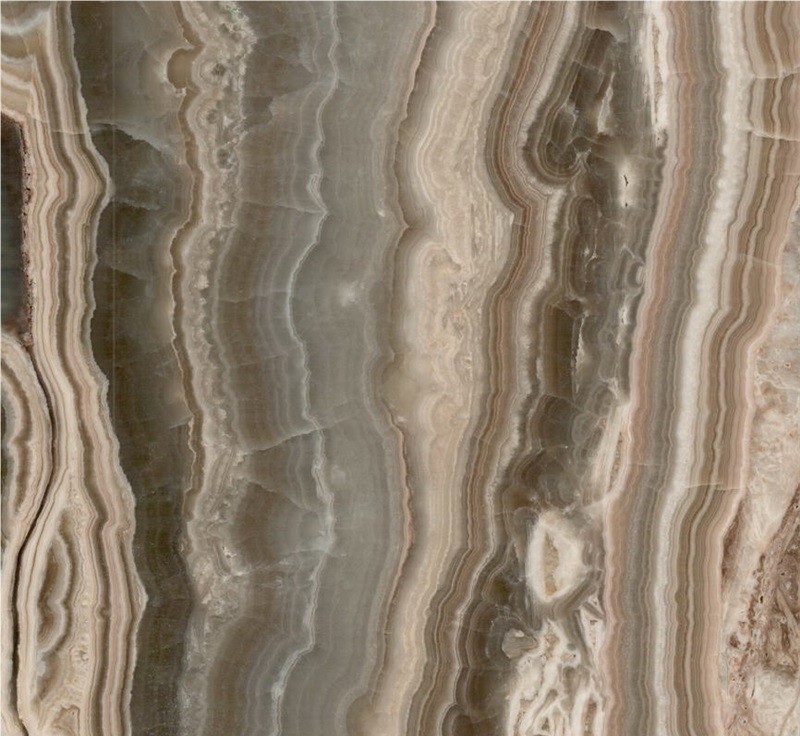
- Interior Longevity: Marble is ideal for interior flooring, wall cladding, and bathrooms. Its refined veining and warm mineral tones provide a visual consistency that is difficult to replicate with other stones.
- The UV Factor: In the Australian context, it is important to note that marble is primarily an interior-focused material. Exposure to direct, harsh UV and acid rain can dull a polished marble surface over time; therefore, it is best reserved for luxury indoor environments where its elegance can be preserved.
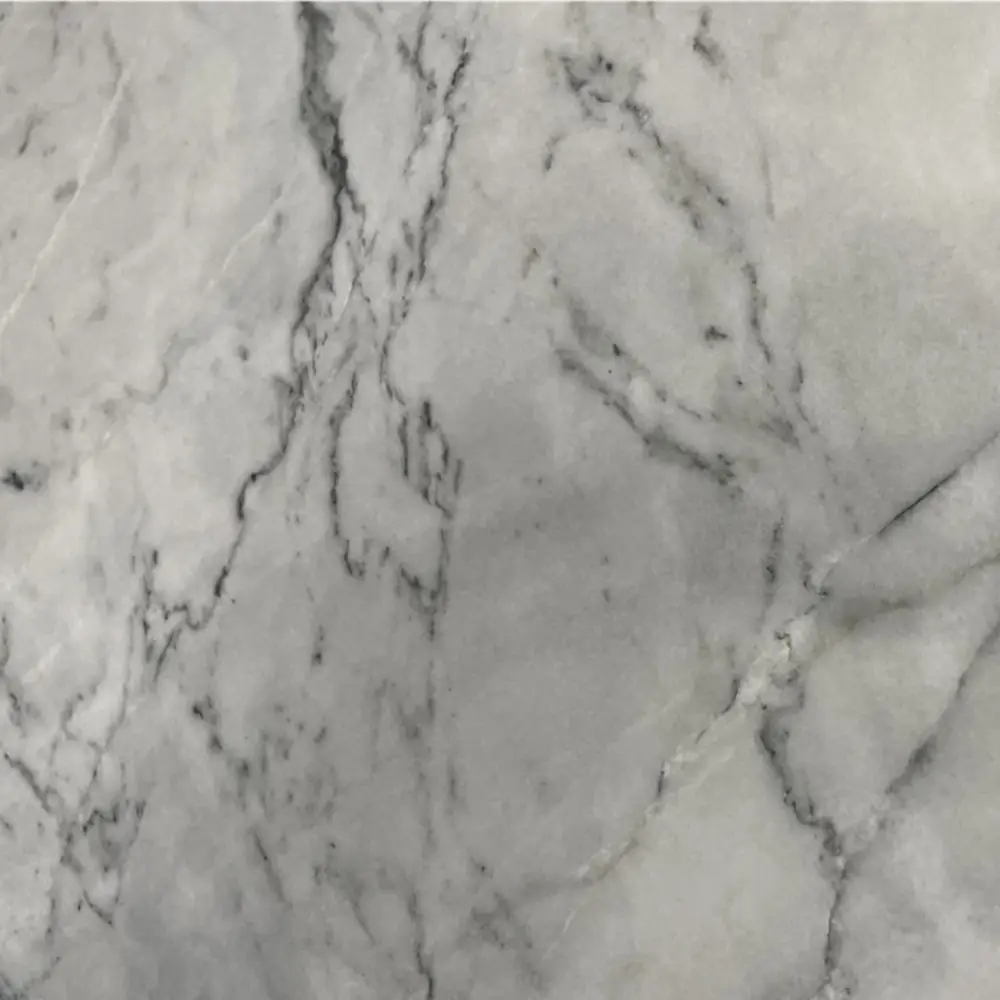
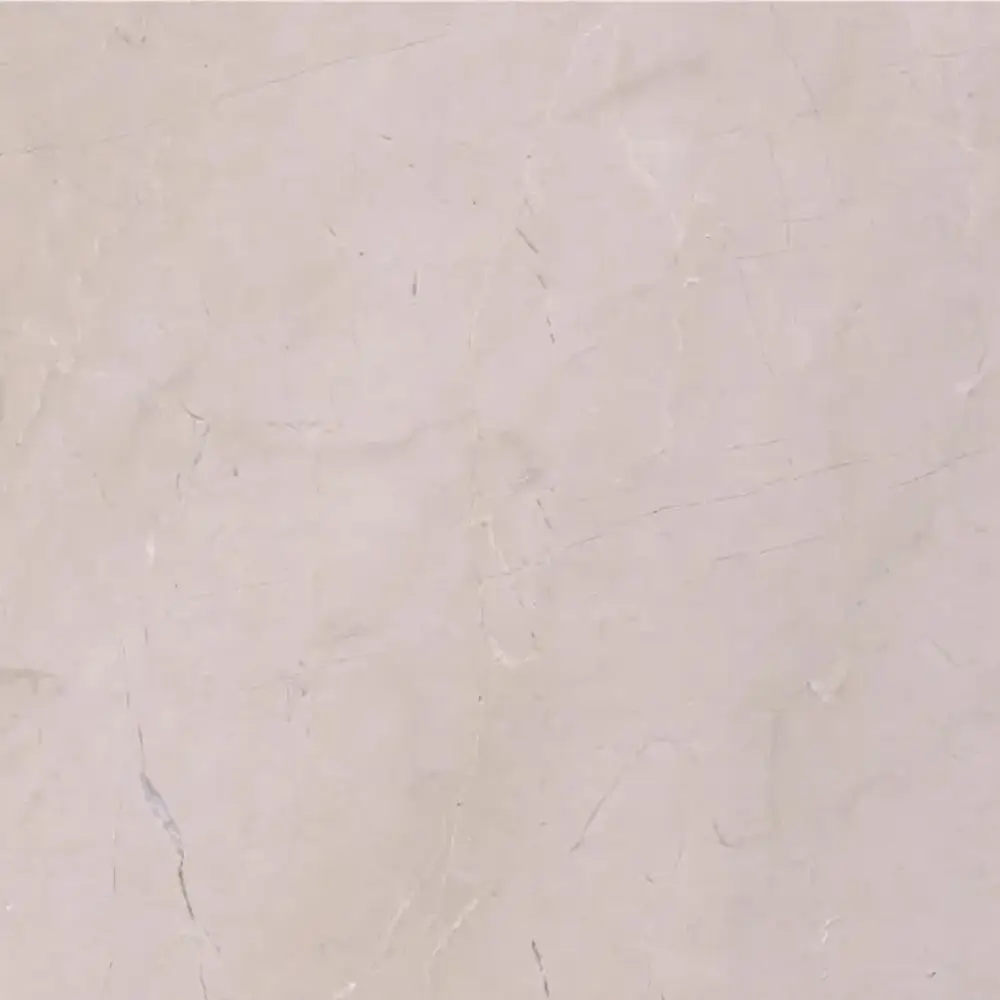
Architects often specify Persian White Marble for its clean, crystalline texture or Beige Marble for its compatibility with timber finishes in residential lobbies.
Technical Specification Comparison
| Property | Persian Travertine | Persian Marble |
| Primary Use | Exterior / Facades / Pools | Interior Flooring / Bathrooms |
| Water Absorption | 1% – 3% | 0.2% – 0.6% |
| Compressive Strength | 90 – 150 MPa | 80 – 130 MPa |
| Density | 2.4 – 2.6 g/cm3 | 2.6 g/cm32.6 – 2.8 g/cm3 |
Final Selection Advice
When selecting between these two, architects must align their choice with project application clarity. Travertine is the robust choice for the Australian outdoors, offering architectural versatility and climate performance. Marble, however, remains the ultimate choice for creating timeless elegance within the home’s interior envelope.
Prime Persian Marble (PPM) provides professional selection support to ensure that the chosen stone—whether marble or travertine—meets the rigorous standards required for long-term performance in Australia.
